June is Men’s Health Month, a time dedicated to raising awareness about the unique physical, mental, and emotional health challenges men face. While annual checkups and physical wellness are important, this month also shines a light on a topic that often goes unspoken: men’s mental health, substance use recovery, and the barriers many men face when seeking help.
At Elijah Family Homes, we believe that when men have the support they need to heal, entire families can thrive.
Breaking the Silence Around Men’s Mental Health
For many men, one of the greatest obstacles to recovery is stigma. Cultural expectations often tell men they should be strong, self-reliant, and able to handle problems on their own. As a result, many struggle in silence rather than reaching out for support.
The consequences can be devastating. Men are significantly more likely than women to misuse substances and are far less likely to seek mental health treatment. Fear of judgment, shame, and the belief that asking for help is weakness often prevent men from accessing the support they need.
The truth is that seeking help is one of the strongest things a person can do.
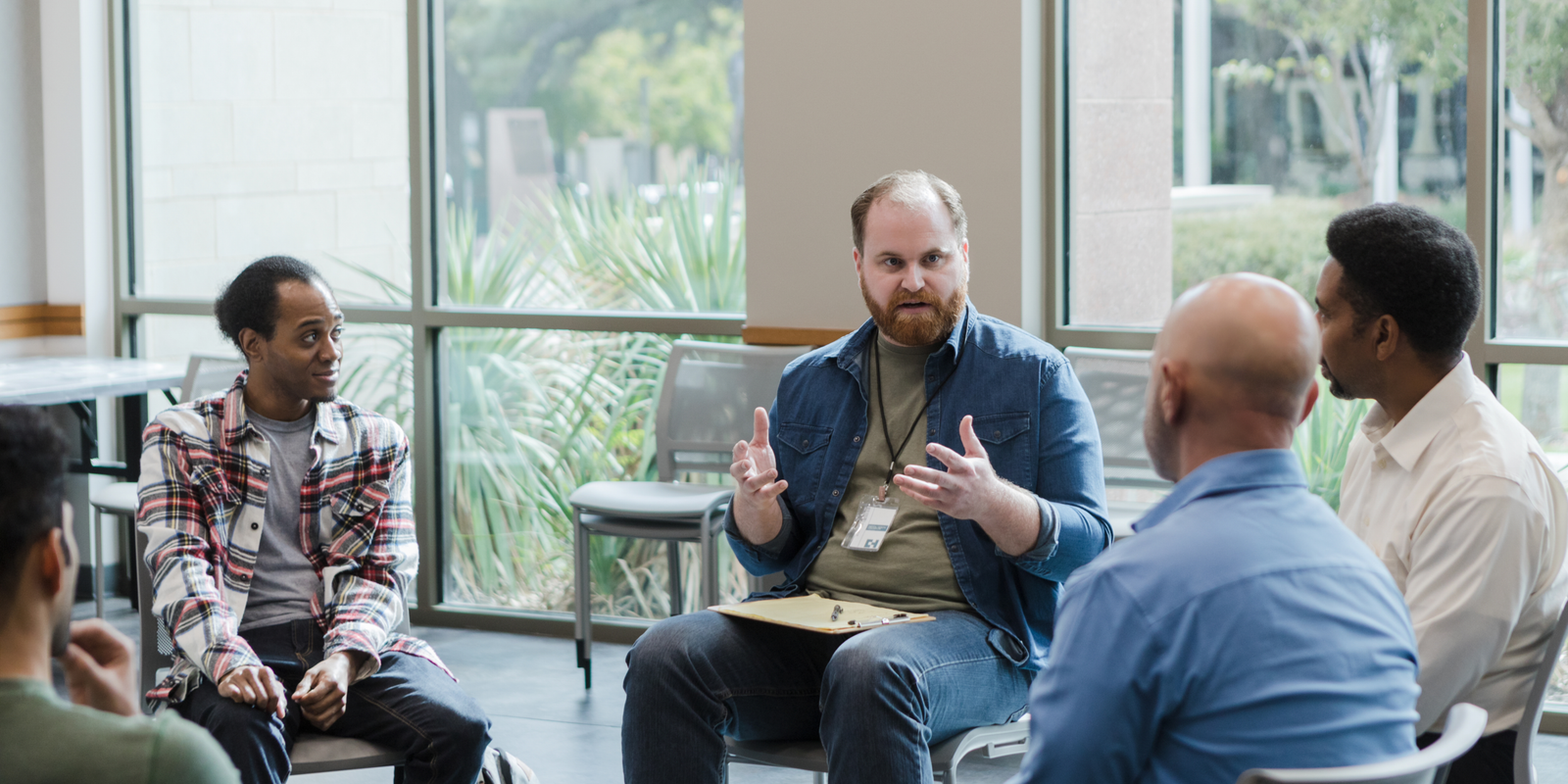
Recovery begins when we replace silence with conversation and isolation with connection.
How Mental Health Impacts Recovery, Housing, and Family Stability
Mental health challenges and substance use disorders rarely affect just one area of life. They often create a ripple effect that impacts employment, finances, housing stability, relationships, and overall well-being.
When mental health needs go untreated, maintaining steady employment can become difficult. Financial stress increases. Relationships may become strained. Housing instability can follow, making recovery even harder to sustain.
For many individuals, stable housing is the missing piece that allows healing to begin. Recovery is not just about overcoming addiction. It is about creating an environment where people can focus on rebuilding their lives, restoring relationships, and planning for the future.

When Fathers Heal, Families Heal
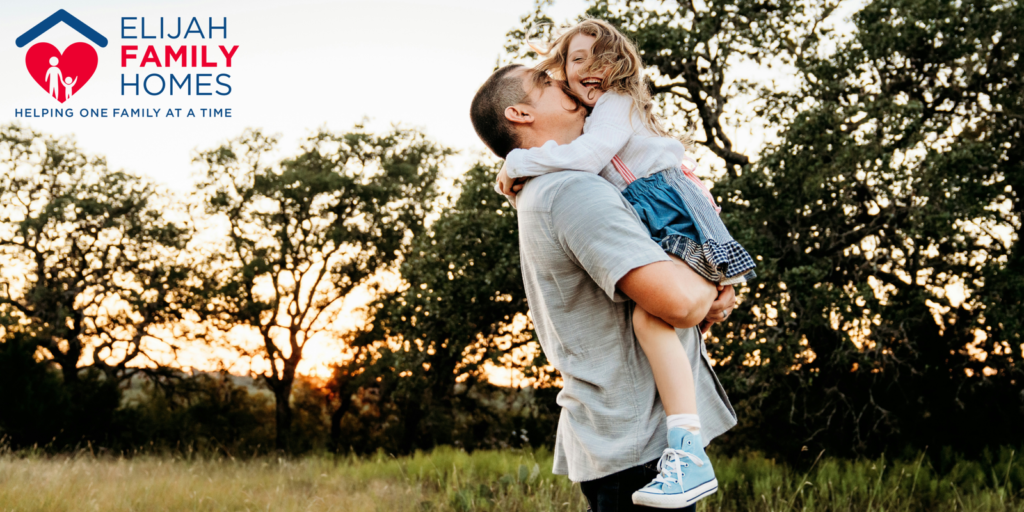
There is a powerful connection between healthy fathers and healthy families. Many men in recovery are also parents, and their healing creates positive change that extends far beyond themselves.
Children benefit when fathers are emotionally present, engaged, and supported. Families experience greater stability, stronger relationships, and renewed hope. Research consistently shows that parents who receive support in recovery are better equipped to create safe, nurturing environments for their children.

At Elijah Family Homes, we see this transformation firsthand. Recovery is not simply an individual journey. It is an opportunity to break generational cycles and build a stronger future for entire families.
Building a Foundation for Recovery
Recovery thrives through connection, community, and stability.
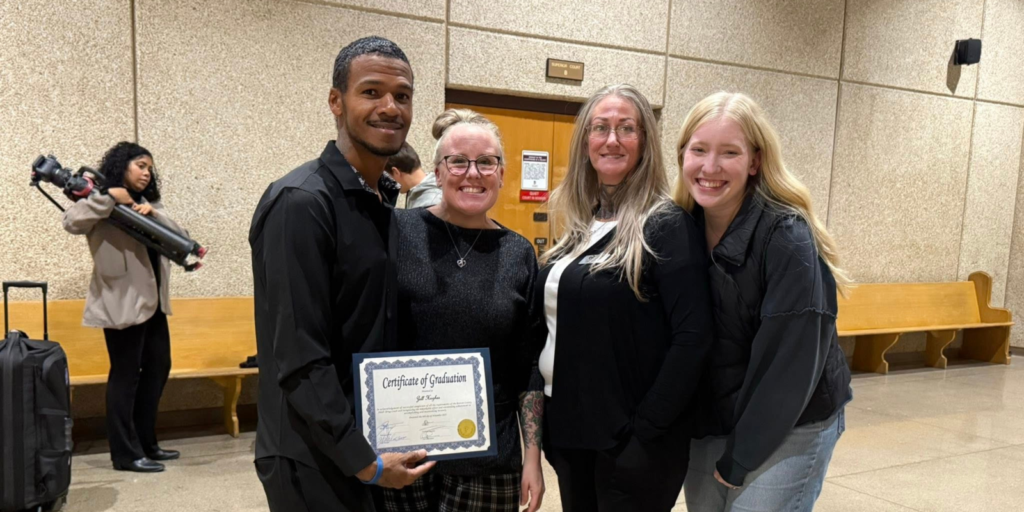
That is why Elijah Family Homes provides stable housing and supportive services that help men and families move toward long-term self-sufficiency. Through programs like our Transition to Success (TTS) program, families receive the guidance, resources, and encouragement needed to navigate recovery and achieve lasting stability.
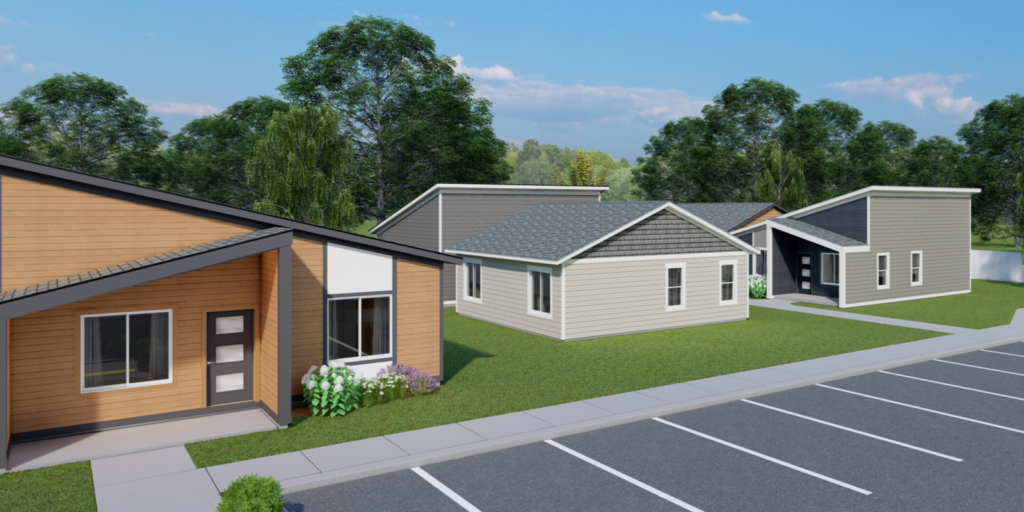
Projects like Sunrise Village reflect our belief that housing is more than a shelter. It is the foundation from which healing, growth, and opportunity can take root.
This Men’s Health Month, Let’s Start the Conversation
This Men’s Health Month, let’s challenge the stigma surrounding men’s mental health and substance use recovery. Let’s remind the men in our lives that they do not have to carry their struggles alone.
If you are struggling, know that support is available. If you know someone who may be struggling, reach out. A simple conversation can make a meaningful difference.
And if you believe every family deserves the opportunity to heal and thrive, we invite you to join us. Whether through volunteering, donating, advocating, or spreading awareness, your support helps create pathways to recovery, stability, and hope.
Because when men heal, families heal. And when families heal, communities grow stronger.