May is Mental Health Awareness Month, but for many individuals and families, mental health challenges are part of everyday life. Behind closed doors, people in our community may be carrying anxiety, depression, trauma, grief, or the emotional weight of recovery while trying to care for their children, maintain housing, or simply make it through the day.
At Elijah Family Homes, we believe every person deserves dignity, compassion, and support, especially during difficult seasons. Mental health struggles do not define a person’s worth, and seeking help should never be viewed as a weakness.
Challenging the Stigma Around Mental Health
For too long, mental health has been surrounded by silence and shame. Many individuals struggling with mental health challenges fear being judged, misunderstood, or dismissed. This stigma can be even stronger for people navigating substance use disorder and recovery.
Too often, people hear harmful messages that they should “just get over it” or “be stronger.” But mental health conditions are not character flaws. Trauma, anxiety, depression, and substance use disorders are complex health challenges that deserve care and understanding.
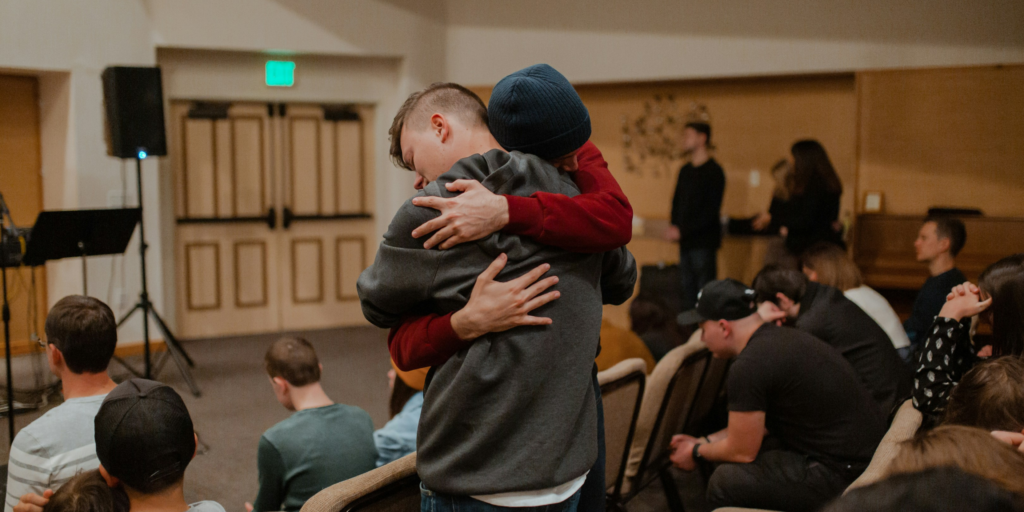
When we speak openly about mental health, we create space for healing. We remind people they are not alone. We also strengthen our recovery community by encouraging honest conversations instead of hiding pain behind shame.

Every person deserves to feel seen, valued, and supported, no matter where they are in their journey.
Mental Health Care is Essential in Recovery
Recovery is about far more than sobriety. Mental health support is a critical part of long-term healing and stability.

Many individuals in recovery are also working through trauma, domestic violence, childhood adversity, grief, or co-occurring mental health conditions. Without access to mental health care, maintaining recovery can become significantly more difficult.
Unfortunately, barriers still exist. Cost, limited provider availability, transportation, childcare needs, and stigma can prevent people from receiving the support they deserve. In rural and underserved communities, these challenges can feel even more overwhelming.
That is why organizations like Elijah Family Homes work to foster hope, dignity, and self-sufficiency through supportive services and stable housing. Healing happens best when people are surrounded by safe relationships, community support, and access to resources that care for the whole person mentally, emotionally, and physically.
Mental health care is not optional. It is foundational to healthy families, strong recovery, and lasting stability.
Mental Health & Recovery Resources
National Resources
- 988 Suicide & Crisis Lifeline: Call or text 988
- Crisis Text Line: Text HOME to 741741
- SAMHSA National Helpline: 1-800-662-4357 (24/7 confidential support)
- National Alliance on Mental Illness (NAMI)
- Mental Health America 2026 Resource List
Local Resources
- Elijah Family Homes
- 921 S Auburn St, Kennewick, WA 99336
- Phone: (509) 943-6610
- NAMI Tri-Cities
- 1177 Jadwin Ave #105, Richland, WA 99352
- Tri-Cities Crisis Center
- 7404 W Hood Pl, Kennewick, WA 99336
- Crisis Response Phone: (509) 792-1747
- Support Advocacy & Resource Center (SARC)
- 1458 Fowler St, Richland, WA 99352
- Phone: (509) 374-5391
- Washington Recovery Help Line
- 24/7 support for substance use, problem gambling, and mental health challenges
- Phone: 1-866-789-1511
- Tri-Cities Area Behavioral Health Resources and Wait Times
- Benton/Franklin County Community Resources
You Are Not Alone
If you are struggling, please know this: asking for help is a sign of courage, not failure. Healing takes time, and no one should have to walk through recovery or mental health challenges alone.
This Mental Health Awareness Month, we encourage our community to lead with compassion. Check in on someone you love. Share resources. Speak openly about mental health. And help us continue building a recovery community rooted in hope, dignity, and support.
If you or someone you know could benefit from the services and support offered through Elijah Family Homes, we encourage you to reach out. Together, we can help create healthier families and stronger futures for our community.