Every September, National Recovery Month honors the people rebuilding their lives after substance use and the many paths that can lead to recovery. This year’s theme, “Recovery is REAL: Restoring Every Aspect of Life,” recognizes how deep that rebuilding can reach.
Sobriety is a meaningful milestone. It can create room for changes that touch every part of daily life: caring for physical and emotional health, finding a secure place to live, repairing trust, returning to meaningful work, and feeling part of a community.
If you are in recovery, you may recognize restoration in changes other people rarely see. It may be waking up knowing where you will sleep that night. It may be keeping an appointment, answering a child’s phone call, or beginning to imagine a future that feels possible.
The 2024 National Survey on Drug Use and Health found that 23.5 million US adults considered themselves in recovery or recovered from a problem with drugs or alcohol. Those millions of experiences are different, but each belongs to a person whose life is larger than substance use.
From Wellness to Whole-Life Recovery
During National Wellness Month in August, we explored how simple acts of self-care can strengthen recovery and family life. Regular meals, restful sleep, medical care, and healthy boundaries can help someone begin caring for themselves again.
National Recovery Month widens that view. Self-care helps address the needs of today. Restoration is the longer process of building a life in which health and well-being have room to continue.
SAMHSA describes four broad dimensions of recovery: health, home, purpose, and community. These areas are closely connected. When one begins to strengthen, it can make progress in another area more attainable.
Restoring Health
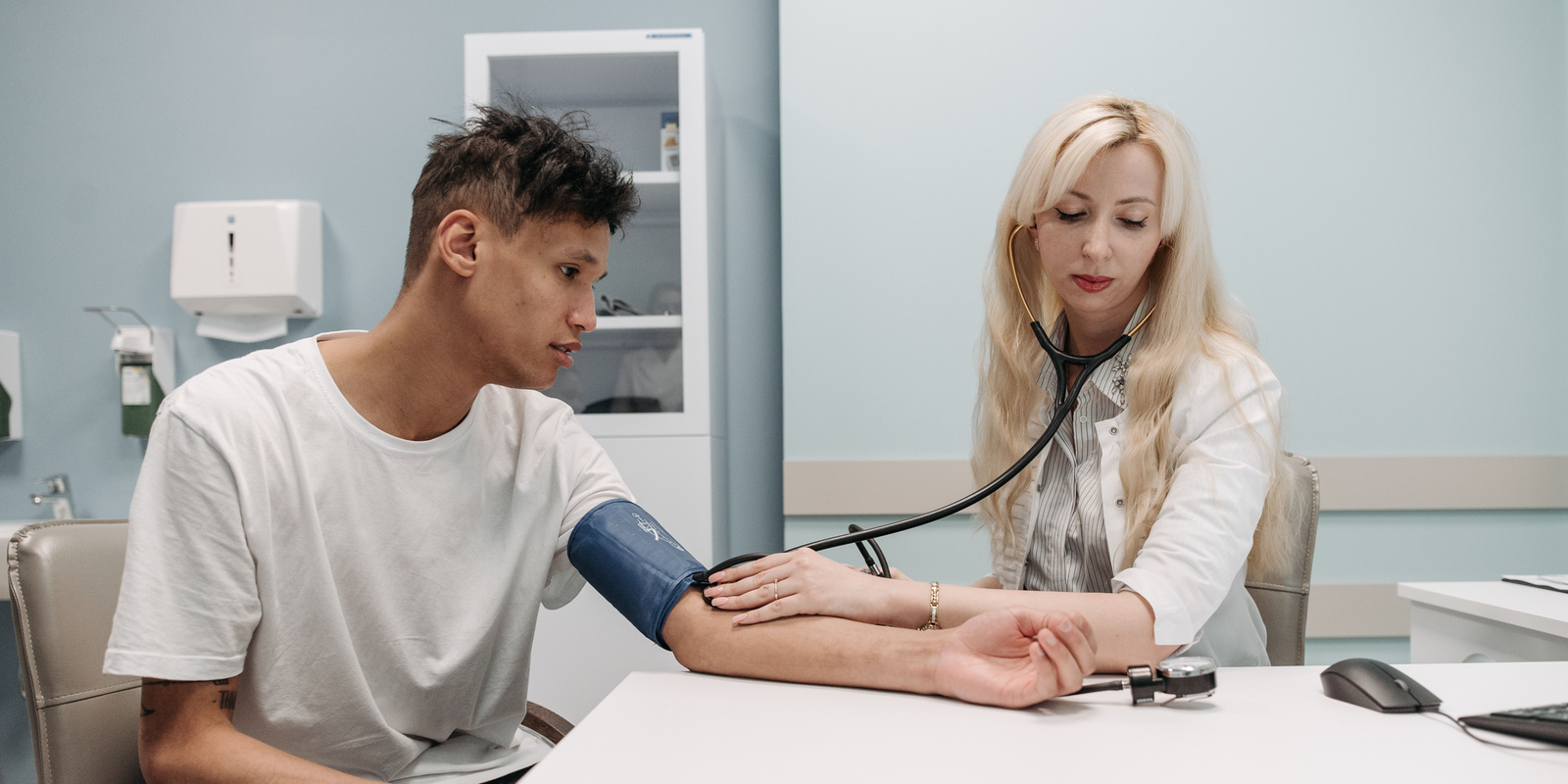
Active substance use can leave physical and emotional needs unattended. Recovery may create space to return to medical appointments, improve sleep, eat more consistently, or seek mental health support.
For some people, treatment or medication is part of that process. Others rely on peer support, recovery groups, spiritual communities, or several forms of help over time. There is no single path that determines whether someone’s recovery is valid.
Restoring health also includes learning to recognize your own needs. After living in survival mode, accepting care can take practice. Rest, treatment, and support are all ways of protecting the life you are rebuilding.
Restoring Home and Stability

It is difficult to focus on recovery when you do not know where you will live or whether your family will be safe. Stable housing brings privacy and predictability. It gives families a place to prepare meals, keep belongings, establish routines, and spend time together.
Stability can also grow through dependable transportation, a workable budget, steady employment, or a plan for permanent housing. These changes may appear ordinary from the outside. For someone rebuilding after prolonged instability, these changes can require months or years of determined work.
Restoring Relationships and Trust
Substance use can affect trust between partners, relatives, friends, and children. Rebuilding that trust often takes longer than anyone wishes it would.
Restoration may mean reconnecting with someone or becoming more present in a child’s daily life. It can also mean respecting a necessary boundary or leaving an unsafe relationship behind. Healing does not require every relationship to return to its former shape.
Families and supporters have healing to do as well. Honest communication and healthy boundaries matter. Outside support can help loved ones care for themselves while allowing the person in recovery to remain responsible for their own choices.
Restoring Purpose and Identity

Substance use can narrow life until most energy is spent responding to the next urgent need. As recovery continues, people may begin asking different questions. What matters to me now? What kind of parent or partner do I want to be? What work feels meaningful? What future do I want to create?
Purpose may be found through employment, education, parenting, volunteering, creativity, or service to others in recovery. It can also begin with smaller responsibilities that rebuild confidence.
Over time, a person may start to see themselves as capable again. They can recognize strengths that were always present, even when substance use made those strengths harder to see.
Restoring Community and Belonging

Isolation and stigma can make recovery harder. People need places where they are known for who they are now and where their past is not used to deny them every future opportunity.
Community may include a recovery group, treatment team, congregation, workplace, extended family, or neighborhood. It should also leave room for different recovery paths. What helps one person may not be right for another.
Supporters can help by listening without trying to control the process and by using language that protects a person’s dignity. Employers and landlords can keep doors open for people working toward stability. Neighbors can choose curiosity and compassion over assumptions.
Supporting Whole-Life Recovery at Elijah Family Homes
This whole-life understanding of recovery guides the work of Elijah Family Homes.
Through the three-year Transition to Success (TTS) program, eligible parents who have maintained at least one year of sobriety receive stable, affordable transitional housing and individualized case management. Families continue strengthening their recovery while working toward goals related to parenting, employment, education, finances, and long-term housing.
The Parent-Child Assistance Program (PCAP) provides three years of home-visiting case management for eligible pregnant and parenting mothers affected by substance use. Case managers meet women where they are and help them connect with treatment, health care, housing, or other community services. Each mother chooses her own goals, with steady support as she works toward them.
The impact of that long-term support can be seen in statewide PCAP outcomes. Among 2,094 graduates from 2018 through 2024, 76% had retained or regained legal custody of their child by the time they exited the program. At Elijah Family Homes, 96% of clients in both our PCAP and TTS programs graduate, meeting all program requirements. These numbers cannot capture the effort behind each family’s journey, but they reflect some of the many ways recovery can reach across generations.
Recovery Does Not Require Perfection
Restoring every aspect of life does not mean every part becomes perfect or returns to what it was before. Some goals change. Some losses need to be grieved. One part of life may feel steady while another remains difficult.
Recovery also rarely follows a linear timeline. A hard day or a setback does not erase the work that has already been done. Progress may look like asking for help sooner, returning to treatment, honoring a boundary, or trying again the next morning.
This National Recovery Month, we honor the full work of recovery and the people living it. If you are in recovery, your life does not need to be completely restored before your progress deserves recognition. If you love someone in recovery, your steady presence can support their work without taking away their choices.
If your family is seeking long-term recovery support in Benton or Franklin County, you can learn more about Elijah Family Homes’ services on our website, call us at (509) 943-6610, email us at admin@elijahfamilyhomes.org, or visit our office at 921 S Auburn St., Kennewick, WA 99336.