A parent working toward recovery needs a chance to think beyond tonight. That is difficult when tonight’s questions are where the family will sleep and whether there will be enough to eat.
National Hunger and Homelessness Awareness Week, observed November 15-21, 2026, invites us to look at those needs together. At Elijah Family Homes (EFH), it is also a time to recognize how deeply hunger, housing instability, and recovery are connected.
For families affected by substance use disorders, uncertainty about food and shelter can make an already demanding recovery process harder. Stable housing and consistent access to nutritious food are a foundation for recovery.
How Housing Instability and Substance Use Reinforce Each Other
Substance use disorders can disrupt employment and income, putting rent and other necessities further out of reach. Living without stable housing adds stress and can make it harder to continue treatment and sustain recovery. Each hardship can deepen the other.
For a parent, those pressures sit alongside caring for children. Hours spent looking for a safe place to stay or enough food for the day can crowd out rest and appointments. Planning for next week becomes harder when today’s needs are still uncertain.
Every family’s circumstances are different. Understanding this cycle means looking at the barriers a parent faces while recognizing the effort they are already making.
Food Security Belongs in the Recovery Conversation
Food insecurity means having limited or uncertain access to enough nutritious food. It can include the worry that groceries will run out before there is money to buy more.
In a study of U.S. women living with or at risk for HIV, researchers found that food insecurity was associated with substance use over time. The study did not establish cause and effect. It adds evidence that food access belongs in conversations about recovery.
Regular, nutritious meals support physical health. They also bring some predictability to a day. For a family trying to regain stability, being able to count on the next meal matters.
How Elijah Family Homes Supports a Foundation for Healing
Here in the Tri-Cities, Elijah Family Homes puts basic needs at the center of supporting families seeking recovery. Through our Transition To Success Program (TTS) and the Parent-Child Assistance Program (PCAP), we begin with fundamental physical needs. Consistent access to stable shelter and nutritious meals is essential to long-term healing.
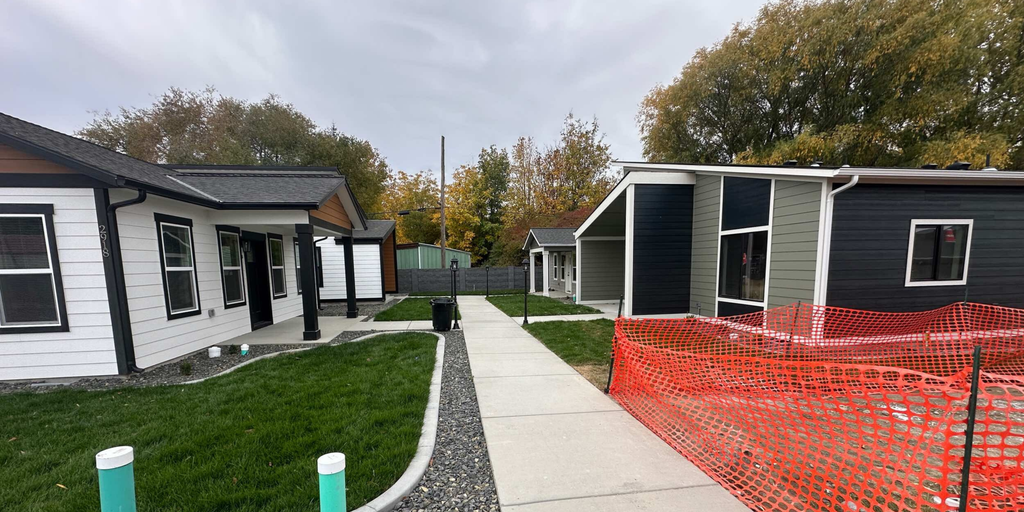
Through TTS, EFH provides affordable transitional housing paired with individualized case management for eligible families in recovery. Case managers help parents work towards goals such as employment, household budgeting, and long-term housing. A dependable place to live gives families somewhere to prepare meals, rest, and rebuild daily routines. Alongside ongoing support, that stability helps parents strengthen their recovery and work toward lasting self-sufficiency.
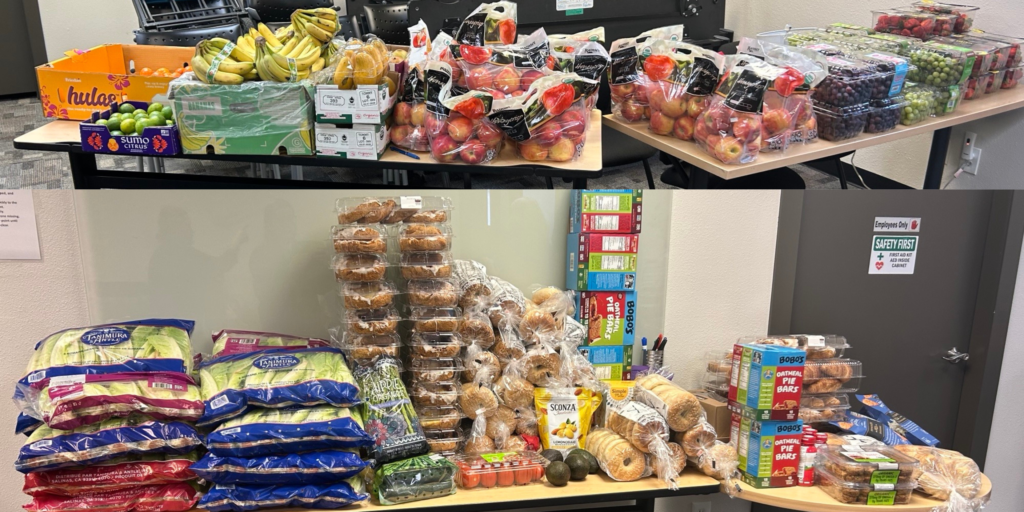
EFH offers food support for families enrolled in our programs through weekly donations from Costco (pictured above). Food and drinks from these donations are available to participating families at no cost.
We keep track of the items families select so they can factor those groceries into the budgets they are developing for the future. This gives parents a clearer picture of future grocery expenses and supports their work toward self-sufficiency.
That approach reflects a broader understanding of recovery. The Substance Abuse and Mental Health Services Administration (SAMHSA) identifies a safe, stable home as one of the four major dimensions supporting recovery, alongside health, purpose, and community.
Alongside treatment and other recovery supports, basic stability can give parents more room to focus on their health and their family’s daily routines. It can make a longer-term goal feel possible when immediate survival has demanded so much attention.
Parents remain the people shaping their families’ futures. Our work supports them as they build stability and work toward self-sufficiency.
Food Banks and Food Assistance in Benton and Franklin Counties

Families looking for free food or help stretching a grocery budget can start with these community resources.
Check the provider’s current hours, service area, and registration requirements before visiting, especially around the holidays.
| Resource | Food Support | Connect |
| Tri-Cities Food Bank | Supplemental groceries through locations in Kennewick, Richland, and Benton City. Check which location serves your address. | Main office: (509) 582-0411 Locations and Hours |
| St. Vincent de Paul – Pasco | Food assistance for residents of Benton and Franklin Counties. | 215 S. 6th Ave., Pasco (509) 544-9315 Food Bank Information |
| Prosser Jubilee Ministries Food Bank | Free groceries for residents of the Prosser School District. Proof of residence and registration are required. | 1429 Stacey Rd., Prosser (509) 786-3033 Food Bank Information |
| Second Harvest | A food finder and Mobile Market calendar help families locate free groceries and distributions near them, including rural communities. | Find Food and Mobile Markets |
| Tri-City Union Gospel Mission | Free hot lunches and dinners seven days a week. Families and visitors are welcome. Check the meal and chapel schedule. | 221 S. 4th Ave., Pasco (509) 547-2112 Meal Information |
Help With Ongoing Grocery Costs
Washington Basic Food (SNAP): Eligible households can receive benefits to help pay for groceries. Apply through Washington Connection or call (877) 501-2233.
Women, Infants, and Children (WIC): Food and nutrition support is available to eligible people who are pregnant or postpartum, infants, and children under age 5. Find a local WIC clinic or call 1 (800) 841-1410.
Need help finding the right resource? Dial 221 or search Washington 211 for food assistance near your home.
Help Build Stability for Families in Our Community
This Hunger and Homelessness Awareness Week, we invite our community to see food security and housing stability as essential parts of supporting recovery. These needs deserve steady attention throughout the year.
You can help by giving to Elijah Family Homes, exploring volunteer opportunities, or learning how to get involved. Businesses and community organizations are welcome to connect with us about ways to support local families.
Your support can help a parent spend less of the day searching for the basics and more of it caring for their health and family.