October is Domestic Violence Awareness Month, a time to look closely at what families need to find safety and rebuild their lives. For parents affected by both relationship abuse and substance use, safe housing is the foundation that makes recovery possible.
At Elijah Family Homes, we support families in Benton and Franklin Counties as they work toward stability. Understanding the connection between abuse and substance use helps explain why housing and ongoing support belong at the center of that work.
How Abuse Can Interfere With Recovery
Intimate partner violence, or IPV, is abuse by a current or former partner involving power and control. A substance use disorder, or SUD, is a treatable health condition that makes alcohol or drug use hard to control, even when it causes harm.
Abusive partners can use a survivor’s substance use to maintain control. Some pressure or force a partner to use alcohol or drugs. Others threaten to use that substance use against them or interfere with efforts to get help. These tactics are known as substance use coercion.
A 2014 report explored substance use coercion among women calling the National Domestic Violence Hotline. In that survey, 27% of respondents said a partner had pressured or forced them to use alcohol or drugs, or to use more than they wanted. Among respondents who had sought help for substance use, 60.1% said a partner had tried to prevent or discourage that help.
These findings help explain why recovery support must consider what is happening at home. A survivor’s substance use never makes abuse acceptable. They deserve support that recognizes the barriers they face and respects their decisions.
When Leaving Means Facing Homelessness

Fear of homelessness can keep survivors in abusive relationships or lead them to return. The National Network to End Domestic Violence explains that access to safe, affordable housing can determine whether a survivor is able to leave or has no viable place to go.
A parent considering leaving also has to think about where their children will sleep. Wanting safety does not create an available home. Telling someone to simply leave overlooks that reality and can place responsibility on the person experiencing the harm.
A compassionate response takes those concerns seriously. It works to make safe options available while respecting the survivor’s choices and timing.
Safe Housing Supports Lasting Recovery
Stable housing gives families physical safety and room to focus on recovery. Ongoing support helps them address the challenges that remain as they work toward self-sufficiency.
Research strengthens the case for investing in housing. A 2023 study published in JAMA Network Open found that Domestic Violence Housing First, which combines housing advocacy with flexible financial assistance, was associated with greater housing stability and safety over two years compared with usual services.
For service providers and funders, this reinforces the importance of making housing part of a coordinated response. Families need a safe place to live alongside support they can continue to rely on.
How Elijah Family Homes Supports Families
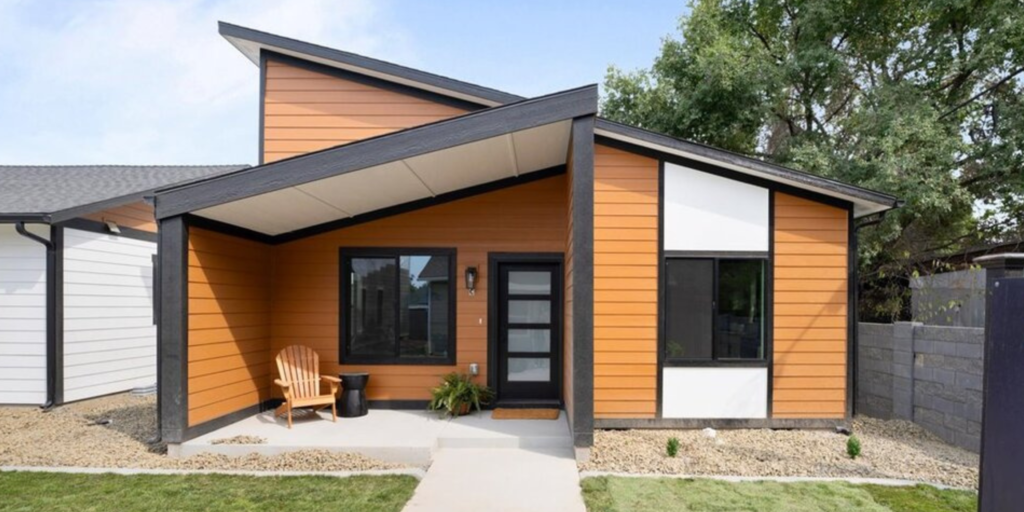
Through our three-year Transition to Success (TTS) program, eligible parents who have maintained at least one year of sobriety receive stable, affordable transitional housing and individualized case management. Families continue strengthening their recovery while working toward goals related to parenting, employment, education, finances, and long-term housing.
Our Parent-Child Assistance Program (PCAP) provides three years of home-visiting case management for eligible pregnant and parenting mothers affected by substance use. Case managers meet women where they are and help them connect with treatment, health care, housing, or other community services. Each mother chooses her own goals, with steady support as she works toward them.
Through these different forms of support, families have people alongside them as they work toward lasting stability.
Finding Support in our Community
If this reflects your experience or someone you love, you deserve to be heard without judgment. If it is safe to reach out, Domestic Violence Services of Benton and Franklin Counties offers free, confidential support. Call its 24-hour crisis line at (509) 582-9841.
To ask about Elijah Family Homes programs, call (509) 943-6610.
This October, we invite you to learn more about Elijah Family Homes and how safe housing supports recovery in our community. Whether you share our work or choose to contribute, your support helps families have the opportunity to build a safer, more stable future.