
Every year, thousands of Washington children spend time in out-of-home care while their parents work to overcome the challenges that led to their separation. For many of those parents, recovery is about more than sobriety. It’s about the hope of hearing “Mom” or “Dad” every day again. In Benton & Franklin Counties, Elijah Family Homes (EFH) is a trusted community resource helping parents navigate the emotional and practical steps toward family reunification.
EFH currently serves more than 120 local families through stable housing, long-term case management, and individualized support. During National Family Reunion Month in July, we recognize the courage of parents working toward sobriety, stability, and stronger relationships with their children.
Recovery Is the Beginning of Family Reunification
For some parents, recovery begins after one of the hardest experiences imaginable: being separated from their children or losing full custody.

The road back requires far more than achieving sobriety. Parents are rebuilding trust, learning parenting skills, attending treatment, participating in court-ordered services, maintaining employment, finding stable housing, and showing up consistently for their children, even when progress feels slow.
Many are grieving missed birthdays, bedtime stories, school events, and everyday moments that families often take for granted.
Recovery takes time, and no one should have to navigate it alone. EFH walks alongside parents through that process, helping them identify barriers, connect with services, remain accountable to their goals, and recognize the progress they are making.
Understanding Family Reunification in Washington State
In Washington, reunification is a central goal of the child welfare system whenever children can safely return home. The Department of Children, Youth, and Families (DCYF) works with parents involved in dependency cases to address the concerns that led to family separation.
Under Washington state reunification policy, caseworkers must identify the conditions that need to change and make reasonable efforts to support a safe and timely return home. A family’s case plan may include substance use treatment, mental health services, parenting education, supervised visitation, drug testing, and addressing barriers like housing and transportation.

These requirements are designed to protect children while helping parents build the stability needed for long-term success. For many parents, those requirements can feel overwhelming, especially during early recovery. EFH case managers help families understand their goals, connect with appropriate community services, build practical skills, and create the stability needed to move forward.
Why Stable Housing Matters for Family Reunification
One of the greatest barriers to reunification is safe, stable housing.
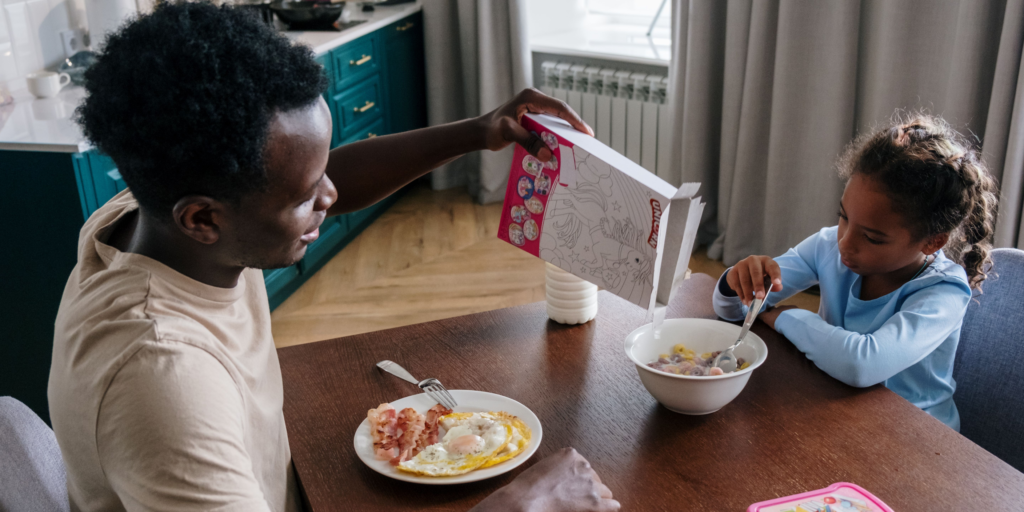
A parent may be engaged in treatment and making meaningful progress but still lack a safe, affordable home where their children can live. Housing provides more than a roof overhead. It creates a space where children can sleep safely, complete homework, celebrate birthdays, eat family dinners, and begin rebuilding relationships with their parents.
This is where Elijah Family Homes makes a difference. Our mission is to foster hope, dignity, and self-sufficiency through stable housing and supportive services for families in recovery.
Through the Transition to Success (TTS) program, eligible families receive affordable transitional housing and individualized case management for up to three years. Families receive support with life skills, budgeting, employment, parenting, accountability, and planning for long-term independence.
Our Parent-Child Assistance Program (PCAP) provides long-term case management for eligible pregnant and parenting mothers affected by substance use. Case managers help clients connect with treatment, health care, housing, parenting resources, and services related to child welfare involvement.
Family reunification takes a community. Elijah Family Homes works alongside local treatment providers, DSHS, DCYF, behavioral health organizations, peer recovery groups, and other Tri-Cities recovery resources to help families build lasting stability. While EFH is not part of the child welfare system, we are proud to be a trusted community partner that helps parents overcome the barriers that often stand between recovery and reunification.
Helping Families Find Their Way Home
Recovery does not erase the past, but it opens the door to a different future.
At Elijah Family Homes, we believe every family deserves the opportunity to rebuild. We are honored to walk alongside parents as they pursue recovery, maintain stability, and work toward the day their children come home.
If you or someone you know is navigating recovery and family reunification in Benton & Franklin Counties, contact us at (509) 943-6610 or visit our office at 921 S Auburn St, Kennewick, WA 99336. And if you’re looking for a meaningful way to strengthen families in our community, consider partnering with Elijah Family Homes through volunteering, donating, or sharing our mission.
Together, we can help more families find their way home.